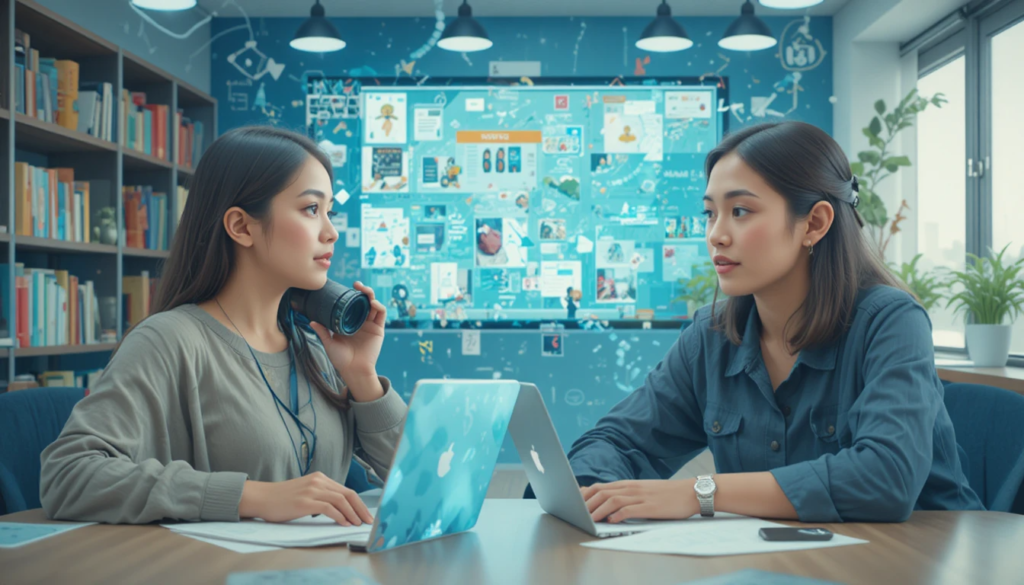

Imagine this: It’s 2026. You sit down for class and your teacher isn’t just a person—it’s also an AI tutor that remembers your favorite pizza toppings and your weakest math skills (awkward). Classrooms might have robots, VR headsets, and flexible seating that doesn’t squeak when you shift every five minutes. If education feels futuristic, it’s not your imagination — it’s reality.
Education is changing fast. The world of learning in 2026 looks different from 2016 — and even from 2023. In this article, we’ll explore what’s shaping the future of learning, what students might experience on a normal school day, and why teachers are becoming even more important (yes, really!).
Let’s buckle in for a friendly, clear, and slightly humorous journey into the future of education.
What Does Education Look Like in 2026?
It doesn’t involve robot teachers replacing humans (yet… maybe in part 😄). Instead, classrooms are becoming more personalized, digital, and connected than ever before.
Here’s a snapshot:
-
Some learning happens online.
-
Technology supports teachers instead of replacing them.
-
Students have more choice in what they learn and how they learn it.
-
Real-world skills matter more than memorizing facts.
Now let’s break down the trends shaping this future.
1. Personalized Learning
Why One-Size-Fits-All Doesn’t Fit Anyone
In the old days, every student in a class learned the same thing at the same pace. That was like trying to wear shoes that are kind of your size — it works, but it’s uncomfortable.
In 2026, education focuses on personalized learning, which means:
-
Students can go at a speed that fits them.
-
Lessons can target individual strengths and weak spots.
-
Technology helps guide students while teachers support and coach.
Tools That Tailor Learning
One big reason personalized learning works so well is tech:
| Technology | What It Does |
|---|---|
| Adaptive Learning Software | Adjusts questions based on how well you’re doing |
| Learning Analytics | Shows teachers where students struggle |
| AI Tutors | Gives extra practice or explanations on demand |
A Day in the Life of a Personalized Learner
Imagine:
-
You start math class with an adaptive app.
-
It notices you struggle with fractions.
-
It suggests gentle practice with hints.
-
Meanwhile, your friend zooms ahead to geometry because they already understand fractions.
No one gets bored. No one gets lost. It’s like choosing the perfect playlist — but for learning!
2. Technology Everywhere — (But Not Too Much)
Let’s be honest: Screens are everywhere. But schools are no longer putting students in front of screens and forgetting them there. In 2026, technology is smartly mixed with real-life experiences.
What Tech Is Being Used?
-
AI tools — to give feedback and suggestions.
-
Virtual Reality (VR) — to visit faraway places in history class.
-
Augmented Reality (AR) — to bring science diagrams to life.
-
Interactive digital textbooks — that feel more like games.
Classrooms with VR? Yep!
Instead of reading about ancient Egypt, students can walk around a digital pyramid. (No camel rides required!)
But Wait — Too Much Tech?
There’s a humorous concern among teachers: “Will students forget how to write on paper?” Probably not — yet. But balance does matter.
Tech in education = good when it enhances learning.
Tech in education = not so good when it becomes a distraction.
Remember — technology should help learning, not replace it.
3. The Rise of Skills Over Tests
Grades vs. Real-World Skills
In 2026, schools are moving beyond just memorizing answers for tests. Instead, the focus is on learning skills that matter in life:
-
Problem-solving
-
Critical thinking
-
Collaboration
-
Communication
-
Creativity
Grades are still there, but students are also evaluated on real projects and practical skills.
Examples of Skills-Focused Learning
| Skill | Real-World Task |
|---|---|
| Communication | Presenting a group project |
| Critical Thinking | Solving a community problem |
| Creativity | Designing an innovation |
| Collaboration | Working in teams |
“We Don’t Just Learn — We Do!”
Gone are days when you just memorized a chapter. In 2026, students might:
-
Build real projects
-
Work with peers across the globe
-
Use digital tools to solve practical problems
-
Present work to real audiences, not just teachers
This isn’t just schoolwork — it’s practice for life.
4. Teachers — Still the MVPs
If technology is everywhere, where does that leave teachers? Far from obsolete. In fact, teachers are becoming even more important — only now they are guides, mentors, motivators, and sometimes emotional support systems.
Teachers Do More Than Lecture
Tech can deliver content, but teachers:
-
Explain why things matter
-
Help students think deeply
-
Motivate and encourage
-
Recognize emotional needs
-
Make learning meaningful
A computer might teach you physics facts — but a teacher inspires curiosity.
What Teachers Are Doing Now
| Role | What It Looks Like |
|---|---|
| Coach | Helping students set goals and learn at their own pace |
| Facilitator | Guiding group discussions |
| Designer | Creating learning experiences |
| Mentor | Supporting students’ emotional and social growth |
No robot has mastered eye contact yet — so teachers are still winning!
Let’s Pause For a Fun Thought
If a future classroom had:
-
One robot assistant,
-
One VR headset,
-
And one teacher…
…what would students say?
“Can the robot grade homework?”
“Yeah, but can it give snacks?”
“Only if it’s programmed with pizza logic!”
😉
5. Learning Anytime, Anywhere
Classes used to be only in classrooms, between 8 AM and 3 PM. Now? Not so much.
Flexible Learning Is the New Normal
Students can study:
-
At home
-
In community centers
-
On field trips
-
Online from anywhere with internet
-
Even while traveling
Education isn’t bound by school walls.
Why This Matters
-
Students who travel or work can still learn.
-
Learners can connect with peers across countries.
-
Schools use online tools to make learning flexible and inclusive.
This means:
Learning doesn’t stop just because school ends.
But don’t worry — Netflix breaks are still allowed.
6. Global Classrooms and Collaboration
Imagine working on a science project with a student in Japan while sitting in Cambodia. In 2026, global learning isn’t a dream — it’s happening.
How Global Collaboration Works
-
Students join international teams.
-
They share ideas through video and virtual spaces.
-
They learn cultural skills along the way.
This helps students become:
-
More empathetic
-
More aware of world issues
-
Better communicators
A World Without Borders (In Learning)
One day you might learn math from a teacher in another country and practice a new language with a friend halfway across the world.
It’s like school meets world travel — minus the jet lag.
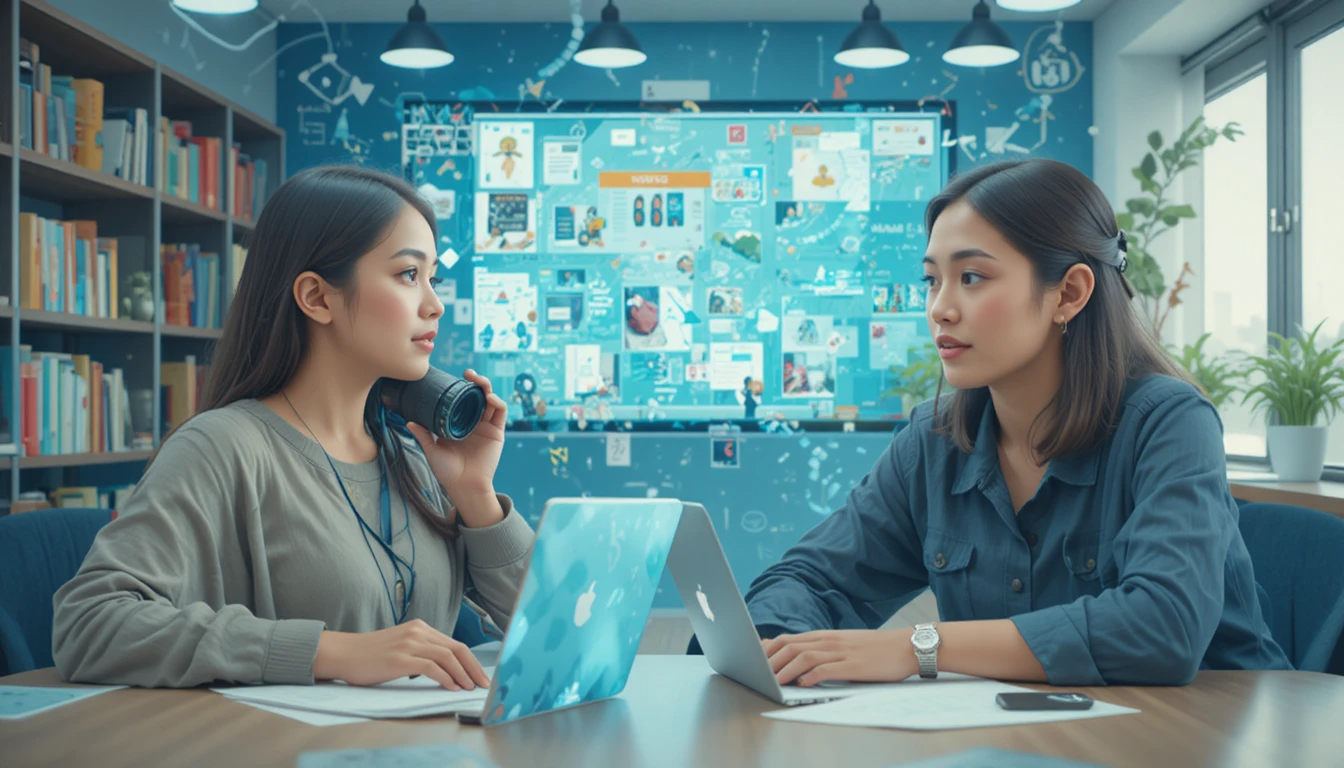
How Students Feel About These Changes
Here’s what many learners enjoy:
-
Freedom to learn at their pace
-
More interactive and fun materials
-
Real projects they care about
-
Technology that helps instead of distracts
-
Opportunities to work with peers globally